
Domestic Solar Installation for Smarter Home Energy
Krisis Solar Ltd helps homeowners plan solar PV, battery storage, system upgrades, and home energy installations around property suitability, electricity use, budget, and long-term household needs.
Solar PV Battery storage Surveys System design Upgrades Home energy planning
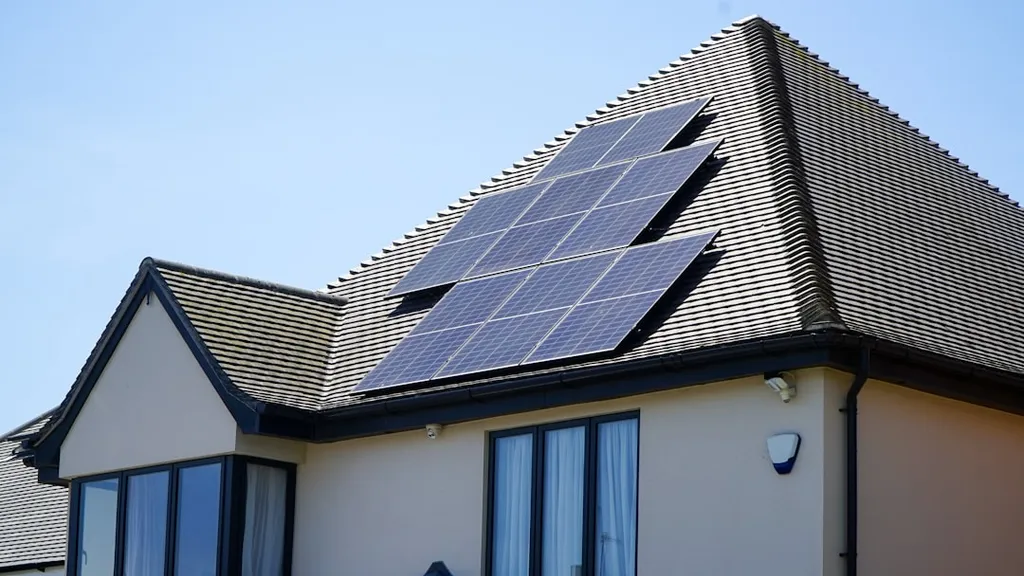
Solar PV Systems
Panels, inverter & mounting
Battery Storage
Evening self-consumption
Home Survey
Roof, shading & orientation
A domestic solar company built around your home
Krisis Solar Ltd supports homeowners with solar PV installation enquiries, battery storage, solar survey and design, system upgrades, home energy planning, installation coordination, and aftercare enquiries.
Our approach is built around understanding property type, roof suitability, orientation, shading, electrical setup, energy use, access requirements, battery interest, budget guidance, permissions, and agreed project scope before confirming recommendations or installation steps.
Learn more about Krisis SolarSolar guidance shaped around your property, energy use, and household needs.
Roof suitability, orientation, shading, and access reviewed before any design is confirmed.
Installation terms, equipment, timescales, and project scope confirmed individually per enquiry.
Solar performance, savings, and payback estimates are based on assumptions and are not guaranteed.
Domestic Solar Services
Everything You Need for Home Solar
Krisis Solar Ltd covers all stages of domestic solar — from initial enquiry and roof survey through to system design, installation, and aftercare support.
Domestic Solar PV
Solar panel systems shaped around your home, roof, energy use, and budget.
Battery Storage
Store solar energy for evening use, self-consumption, and better energy management.
Solar Survey & Design
Roof review, orientation, shading analysis, and tailored system design.
System Upgrades
Inverter replacements, battery additions, and monitoring improvements.
Home Energy Planning
Daytime use, EV charging, tariffs, battery sizing, and household energy routines.
Installation Process
Understand each stage from enquiry and survey through to handover and aftercare.
The Krisis Solar Approach
The Home Energy Method
A structured seven-stage approach designed around domestic solar planning, installation, and aftercare.
Assess
Review property, roof suitability, energy use, access, and goals.
Survey
On-site or desk-based survey of roof, orientation, shading, and electrical setup.
Design
System design shaped around panel count, inverter type, battery options, and mounting.
Install
Coordinated installation including scaffolding, mounting, panels, inverter, and wiring.
Connect
System commissioning, meter arrangements, and grid connection steps.
Handover
Documentation, monitoring setup guidance, and system walk-through.
Support
Aftercare enquiry support, performance review, and upgrade discussions.
Roof & Property Suitability
What Affects Solar Suitability?
Every home is different. These are the key factors reviewed as part of any domestic solar enquiry and survey.
Roof Type
Pitched, flat, slate, tile, metal, or alternative roof types each have different installation requirements.
Roof Condition
Structural suitability and condition are assessed before confirming any installation scope.
Orientation
South, south-west, and south-east orientations typically offer better solar potential.
Shading
Trees, chimneys, neighbouring properties, and other obstructions are reviewed.
Available Space
Panel count and system size depend on usable roof area and layout.
Electrical Setup
Consumer unit, earthing, meter type, and existing wiring are reviewed.
Energy Use
Household electricity consumption patterns inform system sizing and battery interest.
Budget Guidance
Budget expectations help shape equipment, system size, and installation approach.
Battery Interest
Battery storage suitability depends on usage patterns and system compatibility.
Permissions
Planning, permitted development rules, listed building constraints, and lease terms are considered.
Property Access
Scaffolding requirements, roof access routes, and installation constraints are reviewed.
Grid Connection
Distribution network operator rules and connection requirements apply to all domestic solar installations.
Home Energy Planning
Solar Shaped Around Your Household
Understanding how and when you use energy helps inform system sizing, battery interest, and long-term planning.
- Daytime use: High daytime consumption can improve solar self-consumption.
- Evening use: Battery storage can help households use more of their own solar energy after dark.
- EV plans: Electric vehicle charging can significantly increase energy demand and battery sizing considerations.
- Tariff considerations: Export tariffs, time-of-use rates, and smart tariff options may affect system value — independent tariff review is advised.
- Future needs: Property extensions, additional appliances, and lifestyle changes can influence system size.
- Energy behaviour: Household routines, occupancy patterns, and peak usage times are all relevant factors.
Stored energy used for evening & overnight use, subject to system type and capacity.
Honest Solar Advice
Savings & Performance Transparency
Solar performance estimates are based on modelled assumptions and are never guaranteed. Here's what shapes realistic expectations.
What Affects Solar Generation?
- Weather and sunlight hours
- Roof orientation and pitch
- Shading from trees or buildings
- Panel type, size, and quantity
- Inverter efficiency and type
- System condition and maintenance
What Affects Savings?
- Household electricity usage patterns
- Energy tariff rates and changes
- Export tariff availability and rates
- Battery use and self-consumption
- Occupancy and daytime use hours
- Future energy price movements
What We Don't Guarantee
- Specific savings or bill reductions
- Payback periods or timelines
- Export income levels
- Battery backup or off-grid capability
- Energy independence outcomes
- Tariff availability or rates
Homeowner Education
Understanding Solar for Your Home
Before committing to solar, understanding the basics helps you ask better questions and plan more confidently.
Solar Basics
Solar PV panels convert sunlight into DC electricity. An inverter converts this into AC electricity for household use. Any surplus can potentially be exported to the grid.
Battery Basics
A home battery stores surplus solar electricity for use later — typically evenings and overnight. Battery performance depends on capacity, chemistry, usage, and system design.
Roof Suitability
South-facing roofs generally offer the most generation potential, but south-east and south-west orientations can also be suitable. Shading, condition, and structure all matter.
Inverter Basics
The inverter is a core solar system component. String inverters, microinverters, and optimisers each suit different roof configurations and shading scenarios.
Grid Connection
All domestic solar installations require connection to the distribution network. DNO (Distribution Network Operator) rules, connection agreements, and G98/G99 regulations apply.
Questions to Ask
What is my roof orientation? Is there shading? What's my average electricity bill? Am I interested in battery storage? Do I have an EV or plan to? What are my planning constraints?
Tell us about your property and solar goals
Share details about your home, roof, energy use, and what you're hoping to achieve with solar. Krisis Solar will review your enquiry and discuss the next steps based on your property's suitability.