Domestic Solar PV Installation
Solar panel systems for homeowners — shaped around your roof, energy use, property type, and agreed installation scope.
Start a Solar Enquiry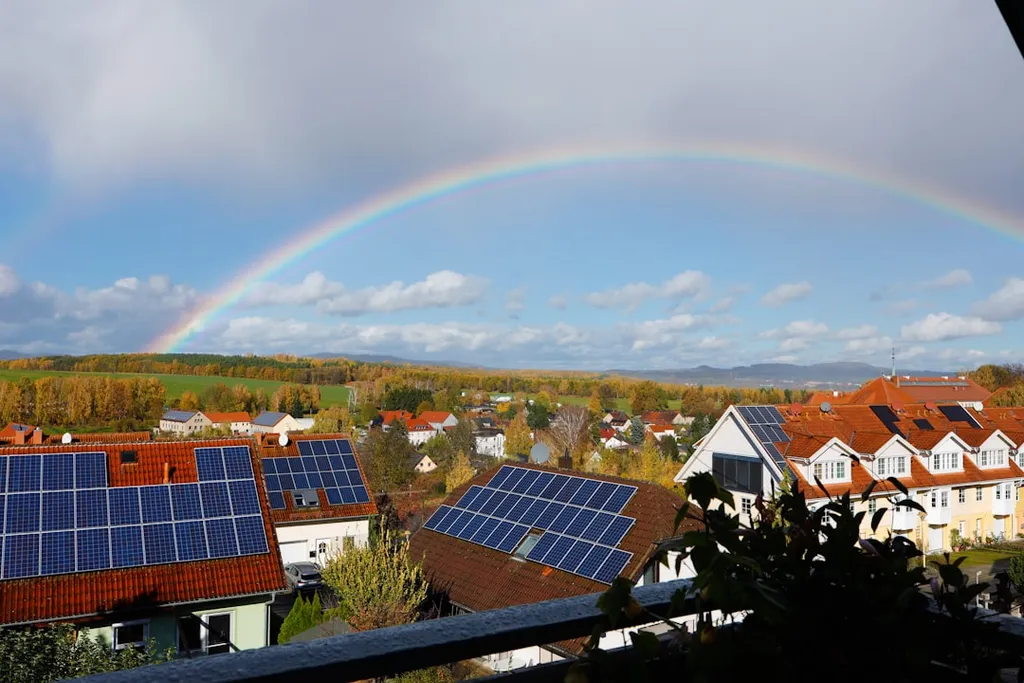
What is Domestic Solar PV?
Domestic solar photovoltaic (PV) panels convert sunlight into electricity for use in your home. When more electricity is generated than your household uses in real time, the surplus can potentially be exported to the grid — subject to export tariff availability, meter setup, and distribution network operator (DNO) requirements.
A solar PV system typically consists of solar panels, a mounting structure, an inverter, and associated electrical components. System size, panel type, inverter type, and mounting approach depend on roof characteristics, energy use, access constraints, electrical setup, budget guidance, and agreed project scope.
Solar Panel Systems
Solar panels are installed on your roof and connected to an inverter, which converts the DC electricity generated by the panels into AC electricity suitable for household use. The inverter is connected to your consumer unit (fuse board) and, where applicable, an export meter or smart meter.
Panel quantity, wattage, and arrangement depend on available roof space, roof orientation, shading assessment, structural suitability, and agreed system size.
Roof Suitability
Not all roofs are equally suited to solar PV. Key suitability factors include:
- Roof orientation: South-facing roofs typically generate the most solar energy. South-east and south-west orientations can also be suitable, subject to shading and pitch angle.
- Roof pitch: Angle of the roof affects generation potential and mounting approach.
- Shading: Trees, chimneys, dormer windows, neighbouring buildings, and other obstructions can reduce generation and may influence inverter or optimiser choice.
- Roof condition and structure: The roof must be structurally suitable for solar mounting. Condition, age, and material type are assessed as part of the survey process.
- Roof access: Scaffolding requirements, height, and safe access routes are considered during installation planning.
System Sizing
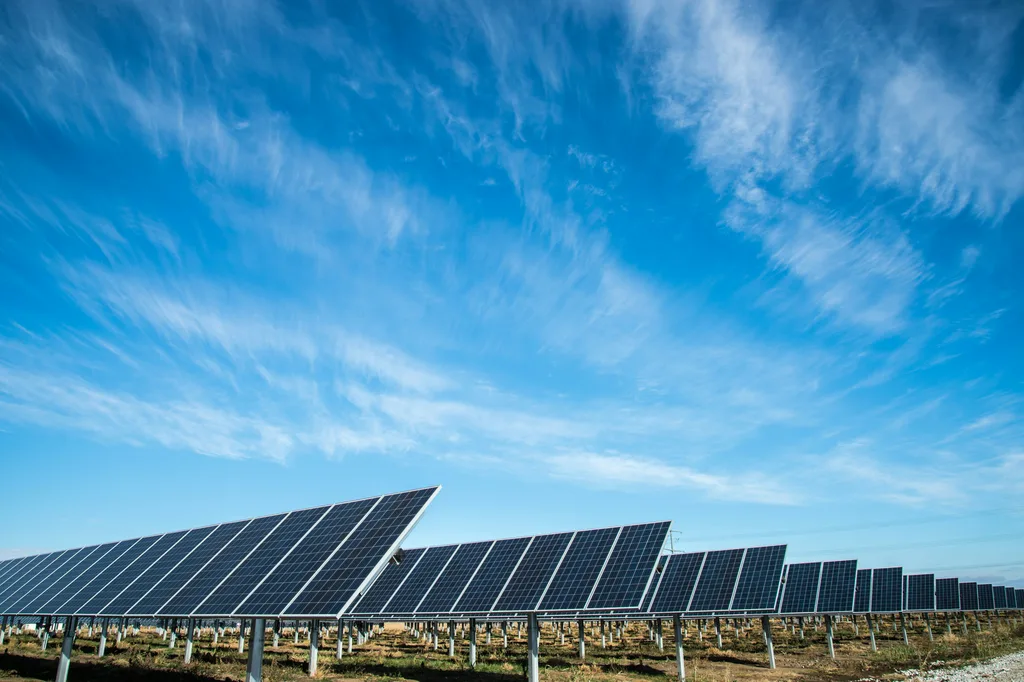
System size is not one-size-fits-all. It is influenced by available roof area, energy consumption, budget guidance, battery storage interest, and agreed scope. A larger system does not automatically suit every home or energy profile. Appropriate sizing is discussed as part of the survey and design stage.
Inverter
The inverter converts DC electricity from the panels to AC electricity used in the home. Different inverter types — string inverters, microinverters, and power optimisers — suit different roof configurations, shading scenarios, and monitoring requirements. Inverter selection is discussed during the design stage based on your specific roof and system.
Mounting
Solar panel mounting systems are designed around your specific roof type and structure. In-roof, on-roof, and flat-roof mounting systems each have different installation requirements, aesthetics, and cost profiles.
Electrical Work
All electrical work associated with domestic solar PV installation — including AC cabling, consumer unit connections, and meter arrangements — must comply with relevant wiring regulations, building control notification requirements, and distribution network operator (DNO) rules. G98 notification or G99 application requirements apply depending on system size.
Monitoring
Many solar PV systems include a monitoring portal or app, allowing homeowners to review system generation and household import/export data. Monitoring setup and data availability depend on the inverter manufacturer, app platform, and internet connectivity at the property.
Documentation & Commissioning
Upon installation completion, relevant documentation — including installation records, electrical certificates, inverter commissioning reports, and DNO notification copies — should be provided as part of the handover. Requirements vary by system type and applicable regulations.