Solar System Upgrades
Reviewing, improving, and extending existing domestic solar systems — inverter replacements, battery additions, monitoring, and more.
Discuss Your Upgrade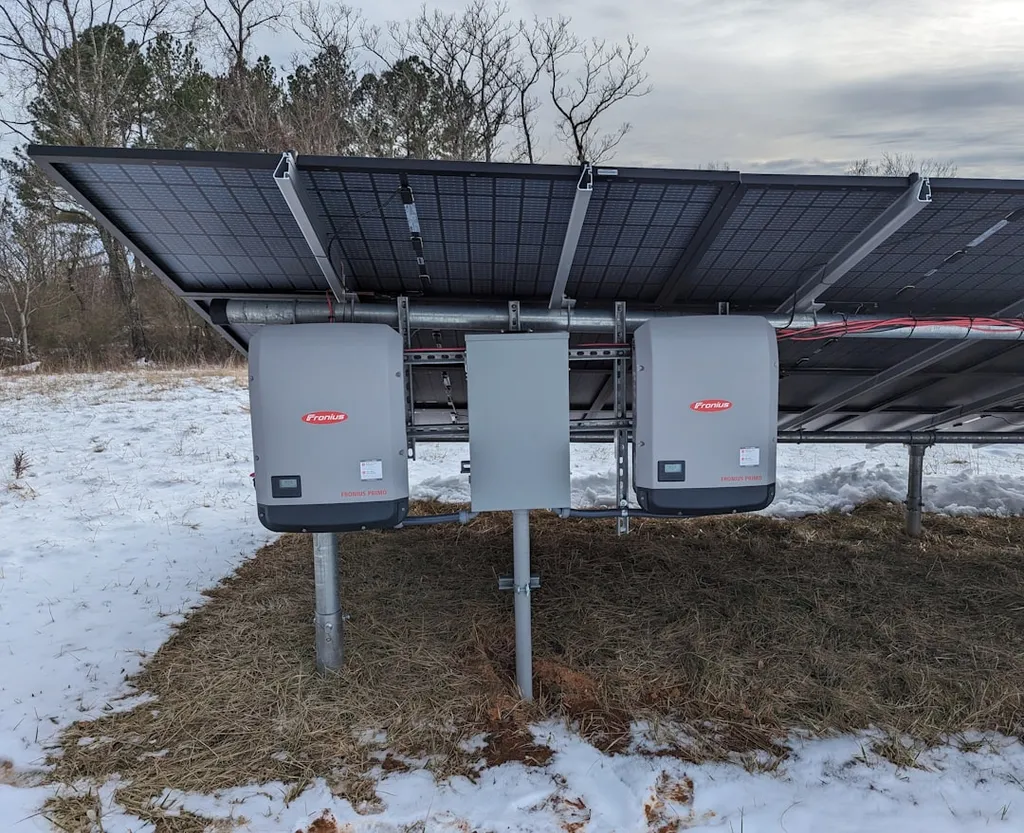
Reviewing Your Existing Solar System
If you already have a solar PV system installed, an upgrade enquiry begins with reviewing the existing installation — panel type, inverter model, mounting system, electrical connections, monitoring data, and system age. This review informs what upgrades are feasible and advisable based on your current setup and future goals.
Inverter Discussion and Replacement
Inverters typically have an operational lifespan of around 10–15 years, though this varies by manufacturer, model, and usage conditions. An ageing or failing inverter may reduce generation, trigger fault codes, or lose monitoring capability. Inverter replacement options depend on your current panel arrangement, system size, and whether battery storage is also being considered.
Replacing an inverter is not always straightforward — panel compatibility, cable arrangements, and monitoring system continuity all need reviewing. A like-for-like replacement is not always the best or most practical option.
Battery Addition
Adding battery storage to an existing solar system is a common upgrade enquiry. Feasibility depends on inverter compatibility, AC vs DC coupling options, available space, electrical setup, and the age and condition of the existing installation. Not all existing solar systems are straightforwardly compatible with battery storage additions.
Monitoring Improvements
Modern monitoring systems provide detailed generation, consumption, and export data — often accessible via smartphone apps. If your existing system has limited or no monitoring, upgrading to a current generation monitoring solution may be possible, subject to inverter compatibility and communication requirements.
System Expansion
Expanding an existing solar system by adding more panels may be feasible in some cases, subject to available roof space, inverter capacity, electrical constraints, and DNO requirements. However, mixing panel generations, brands, or wattages on the same string can affect system performance, and larger systems may trigger different DNO connection requirements.
Maintenance Checks
If your system has not been professionally reviewed recently, a maintenance check can confirm whether panels, mounting fixings, cabling, and the inverter are in good working condition. Performance issues, visible damage, and monitoring anomalies are reviewed as part of this process.
Fault Review
If your system has stopped working, is underperforming relative to expected generation, or is showing fault codes, a fault review can identify likely causes — from inverter faults and shading changes to panel degradation, wiring issues, or system configuration problems.
Compatibility Considerations
Third-party equipment compatibility, manufacturer warranty implications, and DNO re-notification or application requirements all apply when modifying or expanding an existing solar installation. Changes to a registered system may require re-notification to the DNO under G98 or G99 requirements depending on the scale of changes.