
The Domestic Solar Installation Process
A clear seven-stage process from initial enquiry through to installation, commissioning, handover, and aftercare support.
Start a Solar Enquiry
Submit Solar Enquiry
What the homeowner provides
Share your interest in solar PV, battery storage, or system upgrades via the online enquiry form or by email.
What Krisis Solar reviews
Krisis Solar reviews your enquiry details and identifies initial questions about the property and energy use.
What gets confirmed
Acknowledgement of receipt and outline of next steps.
Why this stage matters
Establishing the basics of your property, roof, and energy goals before any further steps.
Share Property, Roof and Energy Use Details
What the homeowner provides
Provide property postcode, property type, roof type, approximate roof orientation, shading information, electricity usage if known, battery interest, EV interest, existing system details, and budget guidance.
What Krisis Solar reviews
Krisis Solar reviews the submitted property details to assess initial suitability indicators and information gaps.
What gets confirmed
Initial suitability discussion and agreement on whether a survey is the appropriate next step.
Why this stage matters
Detailed property information enables a more informed suitability review before committing to a full survey.
Review Suitability, Access, and Electrical Setup
What the homeowner provides
Confirm details about access arrangements, electrical setup, consumer unit location, meter type, and any planning constraints or permissions known.
What Krisis Solar reviews
Suitability review based on available information — orientation, roof type, shading risks, electrical setup, and access requirements are all assessed.
What gets confirmed
Suitability assessment and agreement on proceeding to a full survey and design stage.
Why this stage matters
Confirming that a property is likely to be suitable before committing time and resources to a full survey reduces unnecessary effort for both parties.
Survey, Design, and Equipment Discussion
What the homeowner provides
Provide access for an on-site survey. Confirm property details, show the consumer unit, meter, roof access points, and any relevant planning or permission information.
What Krisis Solar reviews
On-site or detailed desk-based survey reviewing roof condition, orientation, shading, panel layout options, mounting approach, inverter selection, battery suitability, cabling route, and electrical connection requirements.
What gets confirmed
System design including panel layout, inverter type, mounting approach, battery option (if applicable), cabling route, and electrical connection plan.
Why this stage matters
Accurate system design requires real property data from the survey. Design is confirmed after the survey — not before.
Quotation, Scope, Permissions, and Timescales
What the homeowner provides
Review the quotation and agreed scope. Confirm any required permissions, planning checks, or lease/landlord arrangements. Confirm budget agreement and proceed with deposit where applicable.
What Krisis Solar reviews
Equipment availability confirmation, scaffolding arrangements, DNO notification or application planning, lead time estimation, and final scope agreement.
What gets confirmed
Agreed scope, equipment list, timescales, payment schedule, third-party arrangements, permissions status, and project terms.
Why this stage matters
All project terms — equipment, scope, timescales, costs, and permissions — are confirmed before installation begins.
Installation, Commissioning, and Documentation
What the homeowner provides
Provide access for scaffolding erection, installation, and commissioning teams. Confirm metering and monitoring setup requirements. Review and sign off on completed works.
What Krisis Solar reviews
Scaffolding erection (if required), roof preparation, panel installation, inverter and electrical installation, commissioning, G98/G99 DNO notification or application, and monitoring setup.
What gets confirmed
System installed, commissioned, and operational. Monitoring confirmed active.
Why this stage matters
Professional installation and commissioning ensures system performance, safety, and regulatory compliance.
Handover, Monitoring Guidance, and Aftercare Enquiry
What the homeowner provides
Receive handover documentation, monitoring app setup guidance, and overview of how the system operates.
What Krisis Solar reviews
Handover documentation provided including relevant certificates, installation records, inverter documentation, monitoring setup guide, and DNO notification copies. Aftercare enquiry process explained.
What gets confirmed
Project complete. Aftercare enquiry process available for future support requests, monitoring questions, and upgrade discussions.
Why this stage matters
A clear handover ensures you understand how your system works and what to do if you have questions or need support in the future.
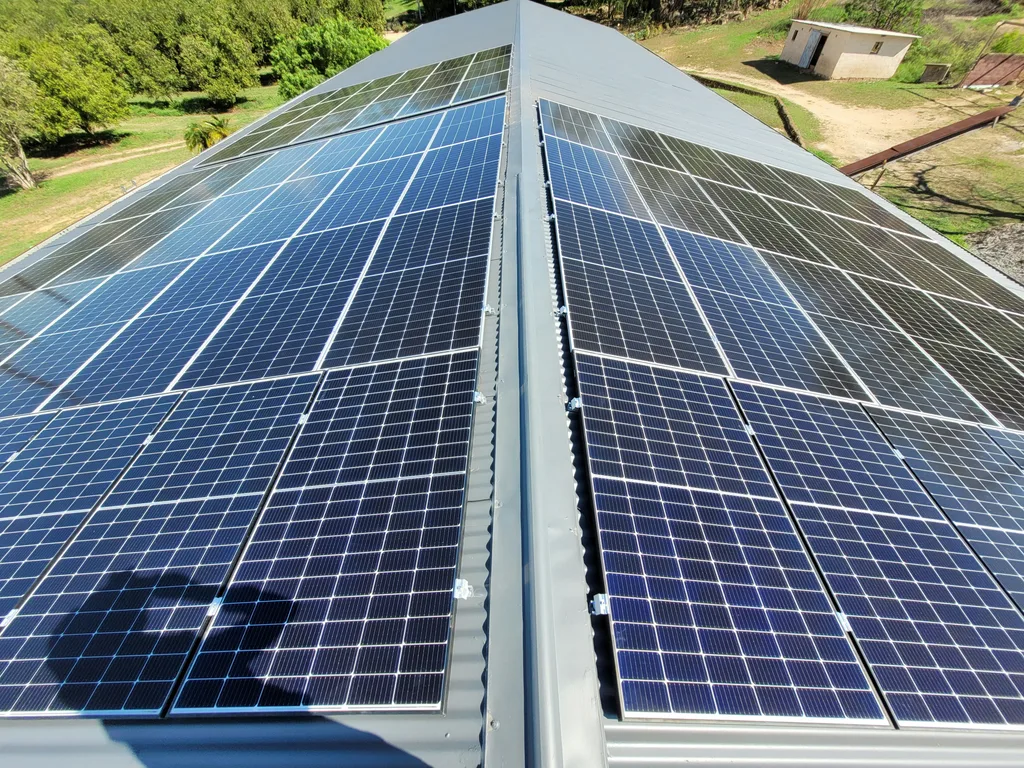
Installation Transparency
What to Know Before You Start
Solar installation involves multiple parties, timelines, and factors outside any single company's control.
Property Access
Suitable access for scaffolding, delivery vehicles, and installation teams must be confirmed in advance. Restricted access may affect timescales and method.
Scaffolding
Scaffolding is typically arranged as a third-party service with separate lead times, availability, costs, and access windows. Scaffolding timescales are not within Krisis Solar's direct control.
Electrical Setup
The existing consumer unit, wiring, and meter may require attention before solar installation can be completed. Electrical limitations are identified during the survey.
Roof Condition
Poor roof condition may require remedial work before solar panels can be installed. This is separate from the solar installation scope and cost.
Permissions
Planning permission, conservation area consent, listed building consent, lease permissions, or landlord approvals may be required. Obtaining these is the homeowner's responsibility and may affect timescales.
DNO / Grid Requirements
Distribution network operators have rules for solar connections. G98 notification or G99 application requirements depend on system size. DNO response timescales are outside Krisis Solar's control.
Equipment Availability
Equipment lead times vary by product, supplier, and time of year. System design and equipment selection are confirmed at quotation stage based on availability at that time.
Savings Assumptions
Any savings or performance estimates provided are based on modelled assumptions. Actual performance depends on real-world conditions that cannot be predicted with certainty.